 Roofing · Sioux City, IA
Local roofing services in Sioux City, Sergeant Bluff, North Sioux City, and South Sioux City.
Get my free quoteSioux City sits right at the Missouri River where Iowa meets Nebraska and South Dakota, and the weather here tests every roof. We get hail most summers, straight-line winds that hit 70 mph or more, and freeze-thaw cycles all winter that crack shingles and open up leaks. The 2017 hailstorm dropped softball-sized ice that damaged thousands of roofs across town. Most homes here were built between the 1940s and 1960s, which means a lot of roofs are overdue for replacement.
The soil under Sioux City is mostly silt loam with clay mixed in, especially near the Missouri River bottomlands. That clay expands when wet and contracts when dry, which can shift foundations and stress roof structures over time. The Loess Hills on the east side of town have different drainage than the flat areas near the river, so water runoff is something we plan for on every job. Proper flashing and underlayment matter here because our weather does not give second chances.
You need a permit from the city for roof work, and inspections have to happen at the right times or you lose part of your deposit. We handle that process and make sure everything meets the 2015 International Residential Code that Sioux City follows. Whether your home is in Morningside, Leeds, or one of the older neighborhoods near downtown, we show up with the right materials and get the work done right.
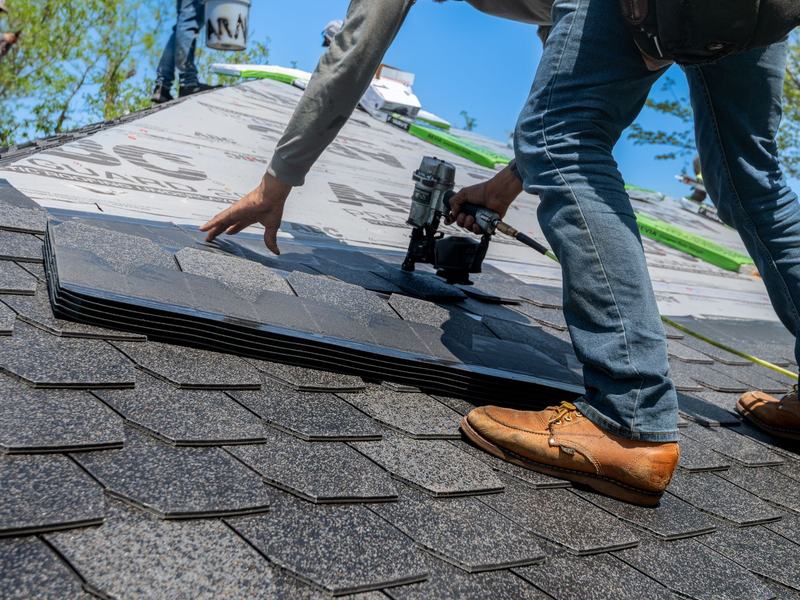
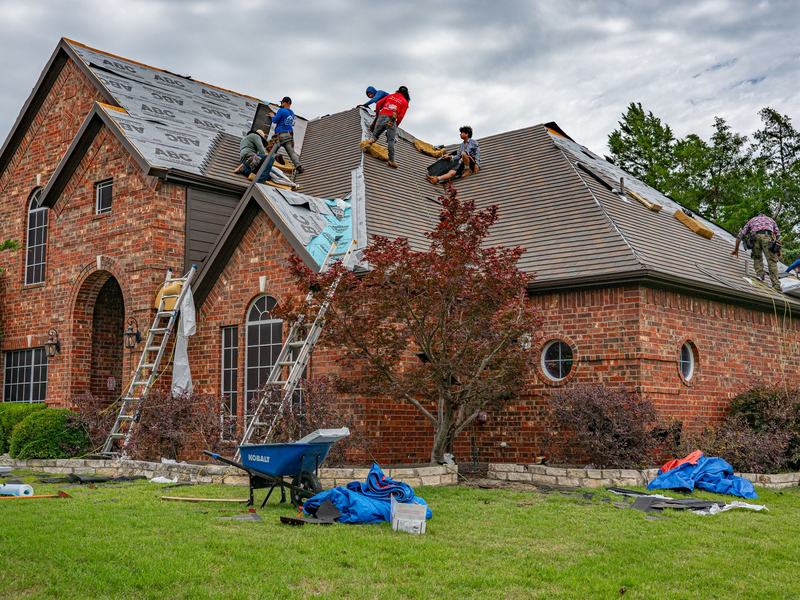
Full tear-off and replacement with architectural shingles built to handle hail and high winds. We install ice and water shield in valleys and along eaves to stop leaks during freeze-thaw cycles.
Sioux City gets hit with large hail nearly every year, and damaged shingles lose granules and start leaking fast. We inspect your roof after storms, document the damage, and work with your insurance to get repairs covered.
Wind can lift shingles, tear off ridge caps, and damage flashing without you noticing from the ground. We climb up and check the actual condition of your roof after severe weather moves through.
Leaks around chimneys, vents, and valleys get worse every time it rains. We track down the source, replace damaged decking if needed, and seal it properly so the problem does not come back.
Commercial buildings and older homes with flat roofs need TPO, EPDM, or modified bitumen that can handle ponding water. We install and repair flat roofing systems that last 20 years or more.
Gutters clogged with leaves and damaged flashing cause water to back up under shingles and rot the fascia. We replace gutters, fix flashing, and make sure water drains away from your foundation.
We know which neighborhoods have clay soil that shifts, which roofs take the worst wind off the river, and how to handle the permit process at City Hall on 6th Street. Our crews have worked through enough Iowa winters and hail seasons to know what holds up and what fails.
We give you a written estimate that lists materials, labor, and any extra costs like damaged decking or fascia repair. No surprises when the work is done. If your insurance is covering hail damage, we walk you through that process too.
Sioux City requires permits for roofing work and inspections at specific stages. We pull the permits, schedule the inspections, and make sure everything passes code. You do not have to deal with the city offices yourself.
We use shingles rated for high wind and impact resistance, not the cheapest option that will fail in three years. Underlayment, ice and water shield, and proper ventilation are included in every job because this climate demands it.
Sioux City sits at the navigational head of the Missouri River where it meets the Big Sioux, and that geography funnels severe weather right through town. Hailstorms are a regular problem here, with the worst on record dropping 4.25-inch hail in June 2017 that damaged roofs across Morningside, Leeds, and the North Side. We average about five hail days per year, and storms with golf ball-sized ice happen often enough that most homeowners deal with roof damage at least once. High winds are just as bad, with straight-line wind events hitting 70 to 106 mph recorded in recent years. The 1986 tornado that struck the Neal 4 power plant near Salix caused tens of millions in damage. May and June are the peak months for severe weather, but storms can roll through anytime from April through September.
The housing stock in Sioux City is old, with the median home built in 1957 and about 32 percent of homes dating back to 1939 or earlier. That means a lot of roofs are past their expected lifespan and sitting on structures that have settled into the clay-heavy soil near the river. The soil here is about 70 percent silt and 13 percent clay on average, with higher clay content in the bottomlands along the Missouri. Clay soil expands when wet and shrinks when dry, which stresses foundations and can cause roofs to shift or sag over time. Freeze-thaw cycles hit 30 times per winter, cracking shingles and opening up leaks around flashing. The city requires permits for roofing work, and you need to schedule inspections within 180 days or the permit expires. Work has to meet the International Residential Code, which means proper nailing patterns, ventilation, and underlayment.

A full asphalt shingle roof replacement on a typical Sioux City home runs between $8,000 and $15,000 depending on size and pitch, with most jobs landing around $10,500 to $12,000. Architectural shingles cost about $5.50 to $7 per square foot installed, which includes tear-off, underlayment, ice and water shield, new shingles, and cleanup. Steeper roofs, two-story homes, and jobs that need a lot of decking replacement cost more. Metal roofs run $15,000 to $25,000 or higher but last 40 years or more. Smaller repairs like replacing damaged shingles or fixing flashing typically cost $400 to $1,400. If your roof took hail damage and insurance is covering it, your out-of-pocket is usually just the deductible. We give you an exact price in writing before any work starts.
Based around Sioux City, IA, we also take jobs in these nearby towns. Put your town on the form and we will tell you right away if we can help.
Look for shingles that lost granules, dents in metal vents or flashing, and cracked or broken shingles. From the ground you might see dark spots where granules are missing. Hail often damages the south and west sides worst because that is where storms hit hardest. We can inspect your roof for free after a storm and document damage for insurance.
Yes, the city requires a building permit for roof replacement and most repair work. You need to submit plans, pay a fee based on project cost, and schedule inspections during the work. Permits expire if you do not start within 180 days. We handle the permit process for you so you do not have to deal with City Hall.
Architectural asphalt shingles typically last 20 to 25 years here, but hail and wind can shorten that significantly. Our freeze-thaw cycles and summer heat stress shingles more than milder climates. Metal roofs last 40 to 50 years or longer and hold up better to hail, but they cost more up front.
Late spring through early fall is ideal because shingles seal better in warm weather and crews can work faster. We avoid the coldest winter months when shingles get brittle. If you have storm damage, we can usually get emergency tarps up right away and schedule the full replacement when weather allows.
Most homeowner policies cover hail and wind damage, but you need to file a claim fairly soon after the storm. We document the damage with photos and measurements, meet the adjuster at your house, and help you understand what the insurance company will pay. Your out-of-pocket cost is usually just your deductible.
Most single-family homes take one to three days depending on size, pitch, and weather. We tear off the old roof, check the decking, install new underlayment and shingles, and clean up all debris. Larger homes or complicated roofs with multiple valleys and dormers take longer. We give you a timeline before we start.
Tell us what you need and where. We usually reply within one business day. A photo helps us give you a faster, more accurate quote.
No obligation and no pressure.
 SIOUXLAND